

By Autumn Demberger, Global AgInvesting Media
Central to agribusiness asset management is the integration of sustainable practices, which ensures the steady appreciation of farmland as a long-term asset. One such sustainable practice is looking at natural capital—“the world’s stock of natural assets—including plants, animals, air, water, soils, and minerals—that provide benefits to humans.”
But what does that mean in the context of today?
At the 2026 Global AgInvesting World Summit, held in New York City April 27-29, session “Getting Real about Natural Capital” aims to answer that question and more. Led by David Muth, PhD, vice president, Peoples Company, this opening session plans to challenge traditional natural capital narratives and reframe sustainability as intrinsic to real asset investing.
“[Natural capital]’s certainly a big part of how the asset management community has been approaching the capital markets around investing in farmland,” Muth said. “But we weren’t sure that it’s really clear what that means … at the first level, we want to share [during this session] what natural capital really means and how we think about it in terms of farmland. And then, what are some interesting and important areas to think about if we are going to approach the marketplace representing production farmland as a natural capital investment.”
Why This Topic Is Important
While the term “natural capital” is popular in capital markets, its definition remains vague. One of Muth’s goals for choosing this topic for the World Summit is to provide clarity on how farmland fits into the broader global ecosystem.
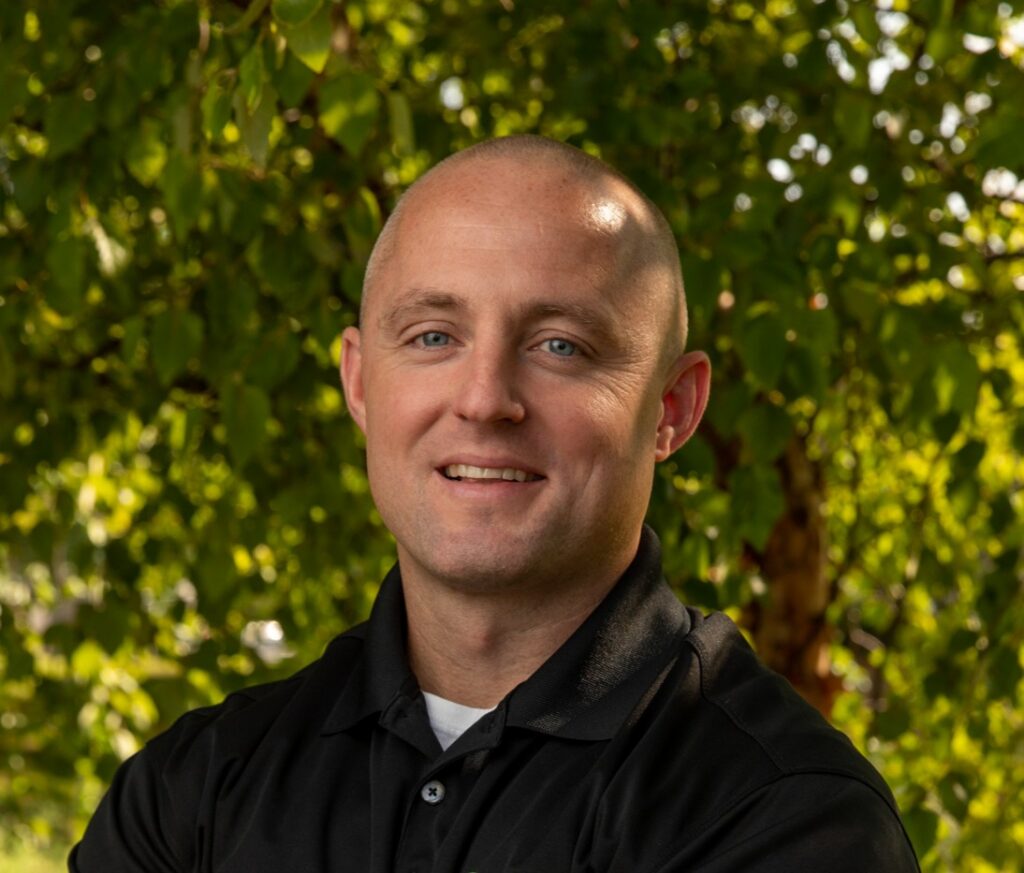
Vice President
Peoples Company
“We want to try to add a bit of color around how we’re thinking about farmland from an investment context,” he said.
It starts with looking at the broader role of land and its place in the global ecosystem, and then specifically looking at how farmland interacts. If those in the agribusiness space want to accomplish certain goals with their farmlands, especially in how it interacts with the broader ecosystem, a natural capital-focused strategy could be the way forward.
Muth also noted that its imperative for those in the space to look at a potential natural capital-focused strategy alongside solid, long-term appreciation-focused asset management.
“They’re probably more aligned than what folks think,” he noted. “That’s helpful for capital markets, the attendees [of the World Summit], and ever other asset managers to think about in how they want to communicate with their investors or prospective investors.”
Breaking Down a Natural Capital-Focused Strategy
In terms of demonstrating how a natural capital-focused strategy versus a solid, long-term appreciation-focused asset management strategy work, Muth gave the following example:
“When you start looking 20, 30, even up to 40 year returns in farmland, and you’re talking about high single digits or low double digits, depending on which aggregation or which state or region you’re looking at, if you take that kind of 10% total return, and let’s say 3% is coming from your annual cash yield and 7% is coming from your appreciation, the natural question is, what’s driving that appreciation?” he said.
The most fundamental driver is productivity growth, Muth said.
He focused in even more granularly: “If you look at the corn yield curve going back to 1970 in the U.S., we’re adding over two bushel per acre per year. In certain parts of the country, we’re adding three bushel per acre per year, reliably … that is a sustainability metric. The appreciation is driven by that increase in productivity over the long-term, specifically.
“The increase in productivity relative to the inputs it’s required to create that productivity,” Muth continued. “And so, it’s inherent in the returns that farmland generates, that we’re going to predictably and sustainably improve productivity going forward,” he said.
3 Takeaways Serving Beyond the Conference Floor
Through his discussion, Muth hopes attendees take away three main thoughts: First and foremost, how people in this industry are thinking about the “phraseology” of natural capital.
“I don’t presume I’ll have that exact answer,” he said, “but my hope is we will create room for thought around what that means and provide context around what natural capital farmland strategy looks like.”
Second, he hopes attendees will get a deeper ability in identifying the key elements of how farmland provides value through its interaction with the broader environment, i.e., its ecosystem services.
“It’s in understanding that interaction between farmland and the broader ecosystem and the value creation through services that are provided,” he explained.
Finally, attendees should walk away from the conversation with a deeper understanding of what natural capital is and what a natural capital investment strategy means relative to a good long-term return focused on asset management.
For World Summit attendees interested in hearing more and joining in the conversation, Muth will be presenting on Day 1 of the conference. His session, “Getting Real about Natural Capital” will be held at 1 pm.
To view the entire GAI Word Summit Agenda, visit here.
The content put forth by Global AgInvesting News and its parent company Arc Network LLC is intended to be used and must be used for informational purposes only. All information or other material herein is not to be construed as legal, tax, investment, financial, or other advice. Global AgInvesting and Arc Network LLC are not a fiduciary in any manner, and the reader assumes the sole responsibility of evaluating the merits and risks associated with the use of any information or other content on this site.