

By Gerelyn Terzo, Global AgInvesting Media
Biocentis, an insect-control life-science company specializing in genetic innovation, has reached a major milestone. With dual headquarters in London, U.K. and Milan, Italy, the company has secured a combined $19 million comprising equity and grant funds to propel the development of its programmable biology platform for insect control, protecting agriculture and biodiversity from pest-related threats.
The round comprises a $13 million seed equity investment led by the U.S.-based Grantham Foundation for the Protection of the Environment as well as Europe’s Algebris Investments. Additional participants featured Neurone, Corbites, Novaterra and a cohort of technology entrepreneurs, including the founders of a pair of European unicorns. Complementing this, Biocentis received a $6 million grant from health foundation Wellcome to further advance its mission.
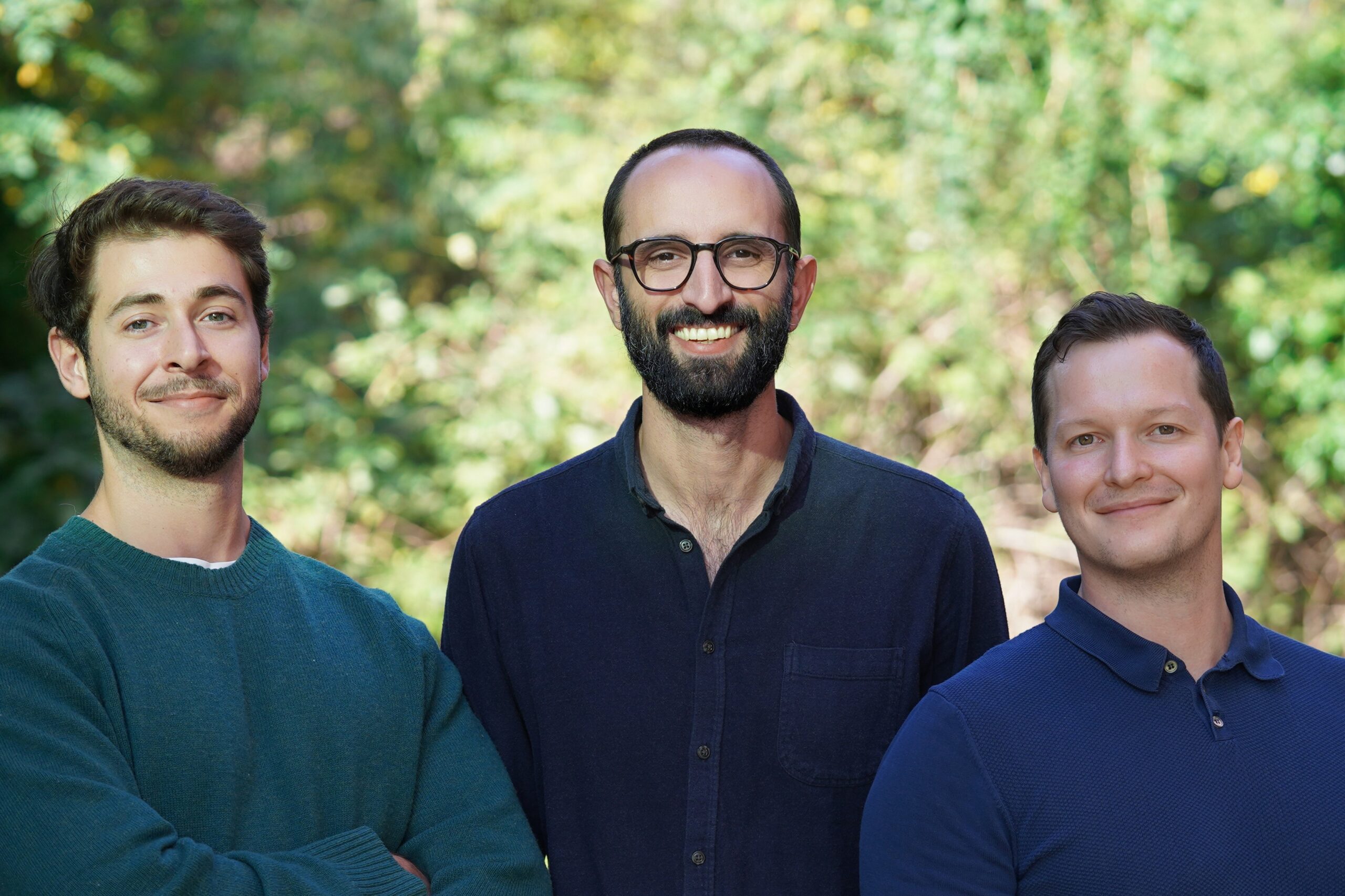
Emerging as a biotech spin-off from the Imperial College London, Biocentis boasts an elite group of experts and researchers based in London and Milan. This collaborative team is driven by a shared goal of leveraging advanced biology and computational tools to improve insect management practices, ensuring they are more efficient, secure and sustainable.
Insects sustain ecosystems, but some species cause enormous harm to people, agriculture and the environment. Mosquito-borne illnesses like malaria and dengue still affect hundreds of millions of people every year, while crop-eating pests wipe out up to 25 percent of global yields, costing hundreds of billions of dollars. Invasive insects are also hastening the decline of native species like bees, butterflies and songbirds, a trend exacerbated by extreme temperatures and the rise in global trade. Mosquitoes that carry tropical diseases are now showing up in parts of the U.S. and Europe, and farmers are under growing pressure to contain fast-moving pest outbreaks that can show up suddenly.
Historically, chemical pesticides have been the main line of defense, but that model is starting to break down. Insects adapt faster than chemistries can keep pace, and the collateral damage to human health and ecosystems continues to mount. A recent Deep Science Ventures report, “Toxicity: The Invisible Tsunami,” cited by Biocentis, identifies pesticides as the most worrying type of toxic chemicals, drawing on more than 25,000 peer-reviewed studies that tie them to human disease and wide-ranging ecological harm, from collapsing pollinator populations to the poisoning of birds, fish and other wildlife.
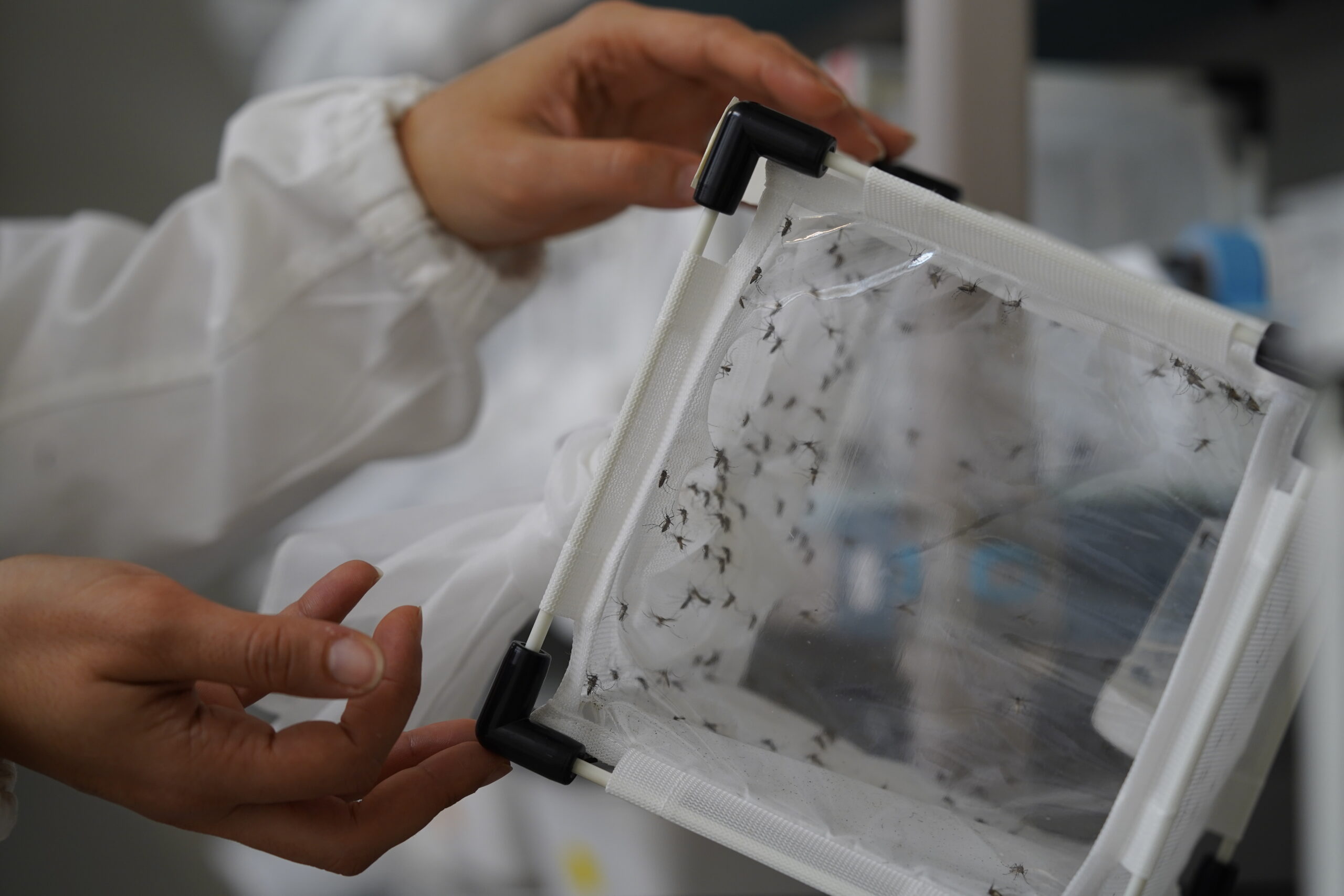
Biocentis’ strategy is to work with biology, not against it, harnessing insects’ own reproductive instincts to manage harmful populations in a targeted way. Using its genome engineering platform, the company develops insects that carry genetic traits designed to reduce fertility within a specific species. Once let go, these insects breed with wild counterparts and gradually shrink the target population, while leaving other species and the broader environment untouched. Biocentis uses AI to create digital twins that model how biological systems behave in live conditions. These virtual test beds help speed up R&D and give decision makers a clearer view of how insect-borne risks might unfold over time.
Biocentis Co-Founder and CEO Giorgio Rocca stated, “Our approach combines exceptional effectiveness with true sustainability. Our insects instinctively seek out and mate with others of their own species, ensuring precision and high efficacy. Our software allows us to predict outcomes and build confidence among stakeholders — helping them foresee and manage future challenges. And because we don’t use toxic substances, humans and other species remain unharmed. It’s a smarter, safer, and integrated approach to tackle some of the world’s toughest challenges.”
Biocentis’ initial pipeline focuses on two high-impact pests: the Aedes aegypti mosquito—the primary vector for dengue, Zika, yellow fever, and chikungunya—and the spotted-wing drosophila (Drosophila suzukii), an invasive fruit fly that has become a multibillion-dollar threat to soft-fruit and berry production worldwide. The capital injection will propel these programs into field trials in the U.S., Brazil and other regions, while also broadening the technology to address a wider range of insect-related challenges.
The content put forth by Global AgInvesting News and its parent company HighQuest Partners is intended to be used and must be used for informational purposes only. All information or other material herein is not to be construed as legal, tax, investment, financial, or other advice. Global AgInvesting and HighQuest Partners are not a fiduciary in any manner, and the reader assumes the sole responsibility of evaluating the merits and risks associated with the use of any information or other content on this site.