

Chinese investment holding firm, Tianrui Group, plans to invest $2.1 billion to fund the construction of the first special economic zone (SEZ) in Cambodia dedicated to storing, processing, and packaging agricultural products for export.
Shen Chen, chairman of the Tianrui Cambodia Agricultural Cooperation SEZ Co. Ltd. – a Tianrui Group subsidiary, signed a memorandum of understanding outlining the development of the project with Cambodia’s Ministry of Agriculture on October 19.
Upon the signing of the memorandum, Chen told the Phnom Penh Post, “Since China’s economy is growing, as well as its population, we are facing food shortage issues, while Cambodia could help provide the resources we need.”
Although Cambodia has the raw resources that have attracted investors, the country lacks sufficient agricultural storage, processing, and packaging infrastructure to enable investors to see a return on investment from their agricultural investments.
“There are a lot of agro-processing companies that are ready to invest in Cambodia but the main issue that we saw here was the lack of storage facilities for agricultural products from one season to the next, and insufficient capacity to process these goods for export,” Chen told the Phnom Penh Post. “Our project will take action to solve these issues in order to promote exports.”
One challenge in particular that this project will solve in Cambodia is the need for quality control and research and development. The special economic zone will also include a phyto-sanitary plant that will study the most common crop diseases in the country and will work to develop possible solutions, resulting in higher industry standards.
“This is a huge investment in Cambodia’s agricultural sector… and is a comprehensive step toward successful exporting,” said Cambodian Agriculture Minister, Veng Sakhon. “However, it faces challenges as farming here is still traditional.”
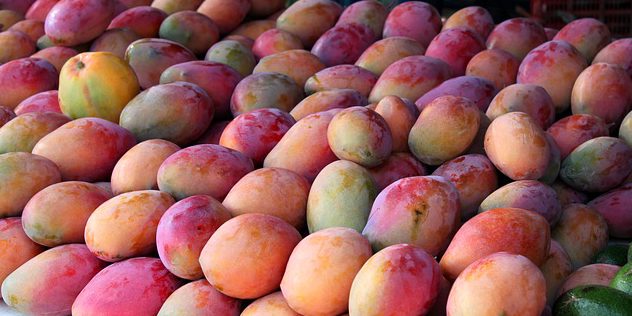
Construction of the 300-hectare site is scheduled to begin within the next two months pending approval from Cambodia’s Ministry of Land Management, and is expected to take two years to complete. Born2Invest reports that the bulk of the initial investment will be earmarked for contracts with local farmers, with mangoes being the first targeted crop.
During the initial phase of construction, Tianrui plans to build and agricultural storage facility with 30,000 tons of capacity, and over the following two construction phases, plans to add two additional 100,000-ton facilities. Once fully operational, the plan calls for a total of between 30 and 100 agro-industrial factories to be constructed over five to ten years that are expected to export 500,000 tons of food – the bulk of which will be going to China, according to Cambodia Daily.
Tianrui has 25 supermarkets across China in line to buy the agricultural products from the zone while the Cambodian government has pledged its help on the domestic market through forging connections between farmers and processors.
“Our SEZ will attract more and more Chinese enterprises to invest in agriculture processing factories in Cambodia,” Tianfui chairman, Chen told the Bangkok Post. “China has many processing companies and they are waiting for investing in Cambodia, so this cooperation is a good start.”
—
Lynda Kiernan