


By Gerelyn Terzo, Global AgInvesting Media
A transformative financing model has made its way into sustainable agriculture, unlocking new potential for forest restoration. Chestnut Carbon, a nature-based carbon removal developer, has secured a landmark non-recourse project finance facility of up to $210 million—spearheaded by Wall Street firm JP Morgan and backed by a long-term carbon removal agreement with Microsoft. The deal marks what the companies are calling the first bank-led financing of its kind for a U.S. afforestation initiative in the voluntary carbon market, forging a link between non-productive farmland and large-scale forest restoration.
Led by J.P. Morgan alongside lenders CoBank, Bank of Montreal and East West Bank, the transaction leverages a long-term carbon removal agreement with tech giant Microsoft to transform degraded farmland into native forests. Through the generation of verified carbon credits, biodiversity is restored while soil health is improved across the agricultural landscape. The creative financing model suggests that afforestation projects can be structured as attractive, bank-supported investments—capable of securing lender funding—replicating the stability and appeal of traditional infrastructure assets.
J.P. Morgan Global Head of Center for Carbon Transition Vijnan Batchu stated, “Providing this kind of financing gives developers the runway they need to succeed at an attractive cost of capital, allowing them to focus on delivering significant carbon projects and fulfilling contracts. J.P. Morgan is extremely proud to be a part of this significant deal and contribute to the growth of the carbon markets at large.”
The deal also underscores a growing trend in agri-business where marginal crop and pasture lands, often underproductive due to soil degradation or economic pressures, are repurposed for environmental restoration. Founded in 2022 with backing from private equity firm Kimmeridge, Chestnut Carbon specializes in acquiring lands in the southeastern U.S., planting diverse native tree species to create biodiverse ecosystems. In addition to sequestering carbon, this approach enhances local wildlife habitats, improves water quality and creates jobs in rural communities through forestry and related roles.
“This transaction marks a meaningful step forward in demonstrating how nature-based carbon removal can scale through structured, high-integrity financing,” said Brian Marrs, senior director of Energy & Carbon Removal at Microsoft.
The deal builds on Chestnut’s momentum from earlier this year. In February, the company raised $160 million in Series B funding from investors including the Canada Pension Plan Investment Board, Cloverlay and DBL Partners, alongside university endowments and family offices. That round, following an initial commitment of up to $200 million from Kimmeridge, has enabled Chestnut to expand its holdings beyond 35,000 acres of marginal farmland and pasture. Chestnut Carbon targets 100 million metric tons of carbon credits by 2030, converting hundreds of thousands of acres of degraded farmland into thriving forests.
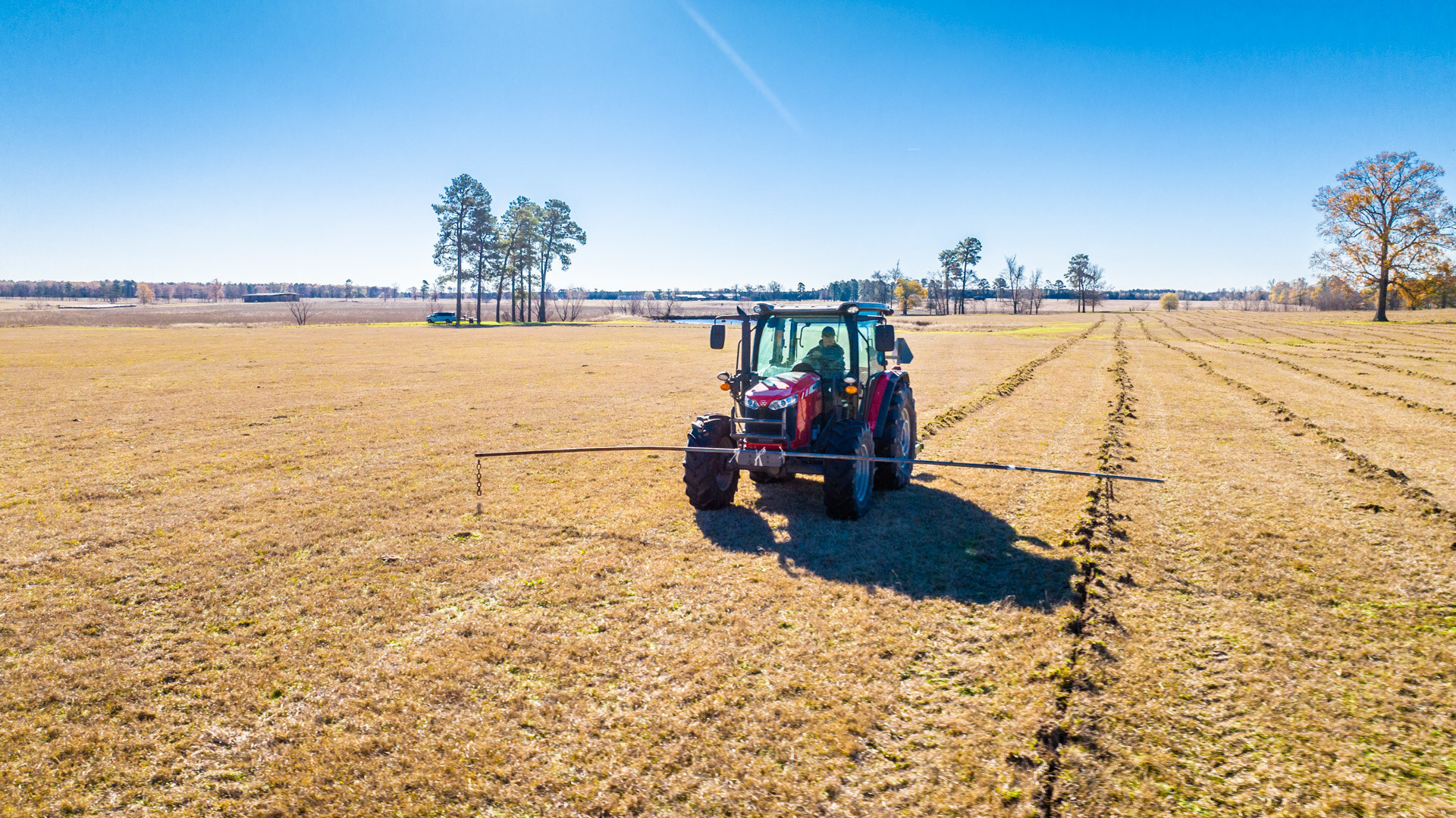
Central to the new financing is Chestnut Carbon’s 25-year agreement with Microsoft, signed in January 2025, for the delivery of over 7 million tons of high-quality carbon removal credits. To fulfill this commitment, Chestnut will develop afforestation projects across approximately 60,000 acres of underused farmland across Arkansas, Louisiana and Texas, partnering with regional foresters and nurseries to plant more than 35 million native trees. These species are selected to match local soil and climate conditions, supporting long-term biodiversity and optimized carbon sequestration.
The non-recourse structure, drawing parallels to renewable energy project finance, isolates risks to the project itself, making it attractive for lenders and signaling maturity in the voluntary carbon market.
Chestnut CFO Greg Adams said, “We are thrilled to have completed this first-of-a-kind transaction. Not only does this facility provide the capital to accelerate our afforestation and carbon removal initiatives, but it establishes a replicable model for sustainable finance in the voluntary carbon sector. We believe this is transformative for Chestnut Carbon and for the industry as a whole. We are grateful for the support of Microsoft, our lenders and our other partners who worked tirelessly to help make this possible.”
For agricultural investors, this development highlights emerging opportunities in carbon markets amid shifting land values. Marginal farmlands, plagued by volatility in commodity prices and climate risks, can also yield returns through carbon credits in addition to traditional crops.
The content put forth by Global AgInvesting News and its parent company HighQuest Partners is intended to be used and must be used for informational purposes only. All information or other material herein is not to be construed as legal, tax, investment, financial, or other advice. Global AgInvesting and HighQuest Partners are not a fiduciary in any manner, and the reader assumes the sole responsibility of evaluating the merits and risks associated with the use of any information or other content on this site.