
By Editor, Global AgInvesting Media
As institutional interest in real assets continues to broaden, European agriculture, forestry, and natural capital stand at a critical nexus. Driven by evolving regulatory frameworks, shifting market demands, and the urgent need for resilient supply chains, allocators across the region are re-evaluating how land-based assets fit into long-term portfolio strategies.
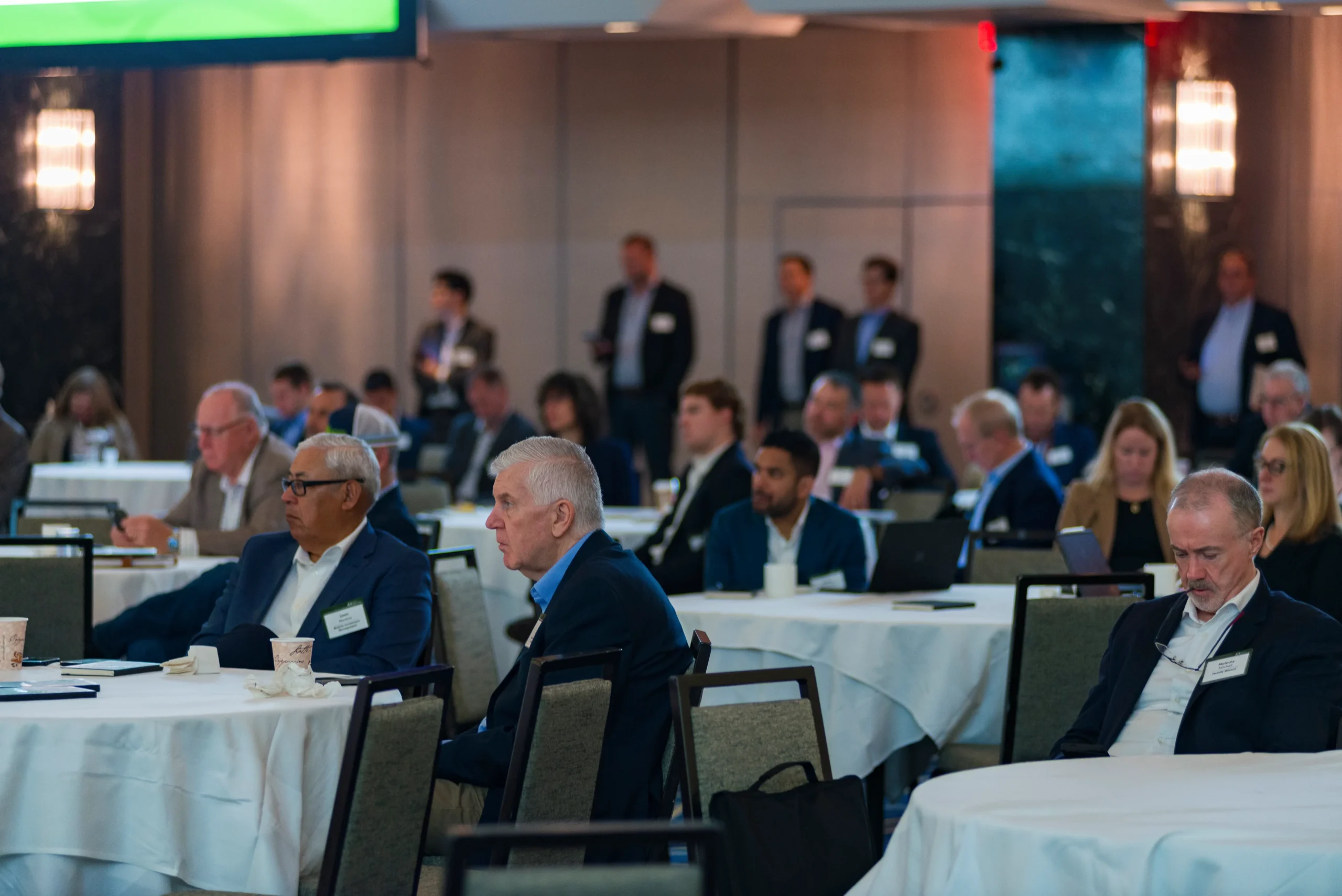
When Global AgInvesting Europe returns to the Rosewood London on 12–13 October 2026, investors, asset managers, and industry leaders will convene to analyze the structural forces transforming the sector.
Blending structured panel discussions with executive networking remains central to the program. In addition, several investment topics on this year’s agenda will be the talk of the town. Below is a brief overview of this year’s tracks and why these themes are top of mind for European investors.
1. Natural Capital as a Core Asset Class
Natural capital has evolved from an ESG consideration into a standalone investment strategy. Institutional investors are increasingly looking beyond traditional yield to capture value through biodiversity credits, carbon sequestration, and ecosystem service markets.
Why it matters in Europe: European pension funds and sovereign wealth entities face strict regulatory disclosure requirements alongside heightened public accountability. Developing standardized valuation frameworks for natural capital allows European asset owners to align regulatory compliance with measurable financial and environmental returns.
Session Tie-In: Setting Expectations for Natural Capital in an Institutional Portfolio — As institutional demand for natural capital strategies rises, what can investors realistically expect in terms of returns, measurement and impact? This session offers a candid look at the opportunities and challenges ahead.
2. Scaled Adoption of Regenerative Agriculture
Transitioning broadacre and specialty farmland to regenerative management practices offers double-bottom-line potential: restoring soil health while safeguarding long-term asset value. However, scaling these practices requires patient capital, clear risk-sharing mechanisms, and reliable impact metrics.
Why it matters in Europe: With the European Union’s regulatory landscape favoring sustainable land management, farmland operators in the region are uniquely positioned to lead on regenerative transitions. As explored in our event preview on cultivating connections, supporting this shift provides European allocators a clear path to climate resilience while de-risking long-term portfolios.
Session Tie-In: Regenerative Agriculture Investing: Risk Mitigation & Yield Resilience — Regenerative agriculture has become one of the most closely watched themes in food and agriculture investing, but the path from sustainability promise to investable strategy remains complex. This session will explore how investors are evaluating regenerative models across Europe, where the most credible opportunities are emerging, and what it will take to scale these strategies while balancing operational realities, measurable outcomes, and long-term financial performance.
3. AgTech Commercialization and Infrastructure Integration
From precision automation to biological crop protection, technology is fundamental to overcoming resource constraints and rising input costs. The discussions on AgTech will center on moving beyond early-stage venture bets to deploy commercialized, infrastructure-level AgTech across agricultural operations.
Why it matters in Europe: European agriculture operates under stringent input restrictions and high labor costs, making efficiency-boosting technologies an operational necessity. Global allocators are watching Europe’s AgTech blueprint, while investors are actively seeking growth-equity models that demonstrate clear operational ROI on European soil.
Session Tie-In: Technology That Actually Moves the Needle: Innovations in Ag Investments — This panel of experts will assess the latest innovations and technologies in Ag investing, including precision irrigation, AI-driven agronomy, soil carbon measurement, and satellite monitoring.
4. Timberland, Forestry, and Wood-Based Assets
Forestry remains a cornerstone of natural capital portfolios, offering steady inflation protection, reliable timber revenues, and substantial carbon storage potential. Modern timberland strategies increasingly combine commercial timber harvests with habitat restoration and carbon offset creation.
Why it matters in Europe: As European demand for sustainable building materials and bio-based industrial inputs grows, timberland offers institutional investors a stable, asset-backed hedge against market volatility. Regional funds are paying close attention to managed European and international timber portfolios that balance timber yield with conservation mandates.
Session Tie-In: Timber Investments: Option Value in a Changing Market — As timber markets evolve, investors are uncovering new opportunities to enhance value beyond traditional timber returns. This session will explore the option value of timber, current valuation and return dynamics, and emerging innovations that are creating new pathways for value creation and portfolio diversification.
5. Evolving Regulatory Frameworks and Reporting Standards
Navigating Europe’s regulatory environment—including green taxonomy requirements and emerging reporting guidelines—remains a top operational challenge for funds targeting sustainable land assets. Transparency and verifiable data are essential for institutional participation.
Why it matters in Europe: European institutional capital moves slowly without absolute regulatory clarity. Understanding how to structure funds that meet stringent European standards while remaining competitive globally is a central focus among the key sessions you won’t want to miss on this year’s schedule.
Session Tie-In: ESG Investors and the Ag Sector — A panel of leading ESG investors will discuss why agriculture is a rising priority, how it fits within broader mandates around biodiversity, carbon and social value creation, and will offer insights into navigating the changing regulations.
Connect at GAI Europe 2026
Whether your focus lies in core farmland, high-growth AgTech, or emerging natural capital frameworks, GAI Europe offers direct access to the perspectives, strategies, and industry leaders shaping global real asset allocations. Join us at the Rosewood London on 12–13 October 2026 to engage with leading investors and executives across agriculture and natural capital.
The content put forth by Global AgInvesting News and its parent company Arc Network LLC is intended to be used and must be used for informational purposes only. All information or other material herein is not to be construed as legal, tax, investment, financial, or other advice. Global AgInvesting and Arc Network LLC are not a fiduciary in any manner, and the reader assumes the sole responsibility of evaluating the merits and risks associated with the use of any information or other content on this site.