


By Autumn Demberger, AgInvesting Media
As the global investment community increasingly looks toward the Asia-Pacific region for scale, stability, and sustainability, Australia has emerged as a premier destination for institutional capital. On June 10-11, 2026, Global AgInvesting (GAI) will host its first-ever Australian summit in Brisbane, bringing together the world’s leading allocators, fund managers, and agribusiness innovators to explore one of the most dynamic agricultural markets on the planet.
As attendees gear up for the summit, David Bryant, Managing Director, Rural Funds Management, provided a sneak peek of his upcoming keynote, “Productivity – An Essential Element to Agricultural Investing in the Cycle Ahead.”
Global AgInvesting: As a speaker on productivity at this year’s GAI Australia, what initially drew you to this topic? Or, in other words, what makes this something that those in the industry should want to hear about right now?
David Bryant: Productivity gains are a fundamental driver of profitability and capital growth in agricultural land values. Over the past century, farmers have seen the price paid to them for the commodities they produce, remain relatively static in real terms. This has occurred as costs of production climb inexorably higher. Without improvements in farmers’ productivity, land values would have declined, but due to the constant innovation that has occurred in the sector, farmers have achieved increased yields that have supported profitability and increased land values.
GAI: Looking across RFM’s diverse portfolio—from almonds and macadamias to your recent focus on the beef industry and feedlot expansions—where do you see the most compelling opportunities for development as we head into the second half of 2026?
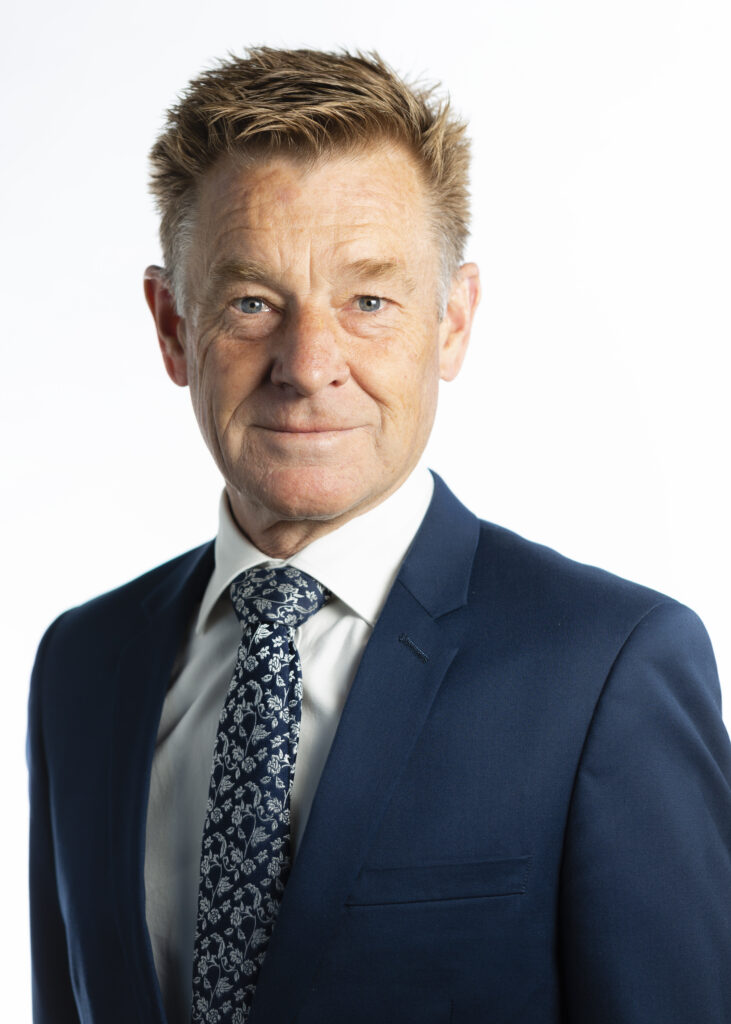
DB: The feedlot industry appears to be an area where growth is not a theoretical opportunity but a necessity. RFM has written about the dynamics driving this, and it is need that we are aiming to fulfil. There remain opportunities in the horticultural sector, although ensuring adequate supply of irrigation entitlements to secure production is expensive and therefore problematic in the temperate zones. This is why we have moved north to subtropical zones so as to gain access to water at lower cost.
GAI: Without giving away the conversation, what would you say are two-three takeaways you hope attendees will glean from your discussion?
DB: Productivity and productivity.
When the floor opens for the Q&A, what is the ‘hard question’ you hope the audience is asking about the scalable realities of improving agricultural productivity?
DB: Where are the water entitlements and how much do they cost?
GAI: Taking a step back and looking at the broader event itself, can you share your thoughts around the first Global AgInvesting Australia event? What are you excited for? What are you looking forward to most?
DB: I really enjoy catching up with other asset managers many of whom I have known for decades. GAI Australia will create an informal forum to discuss how we are surmounting our challenges and maximising our opportunities. What I am looking forward to the most, is meeting investors and listening to what they want and discussing how we may be able to assist them.
The content put forth by Global AgInvesting News and its parent company Arc Network LLC is intended to be used and must be used for informational purposes only. All information or other material herein is not to be construed as legal, tax, investment, financial, or other advice. Global AgInvesting and Arc Network LLC are not a fiduciary in any manner, and the reader assumes the sole responsibility of evaluating the merits and risks associated with the use of any information or other content on this site.