
By Autumn Demberger, Global AgInvesting Media
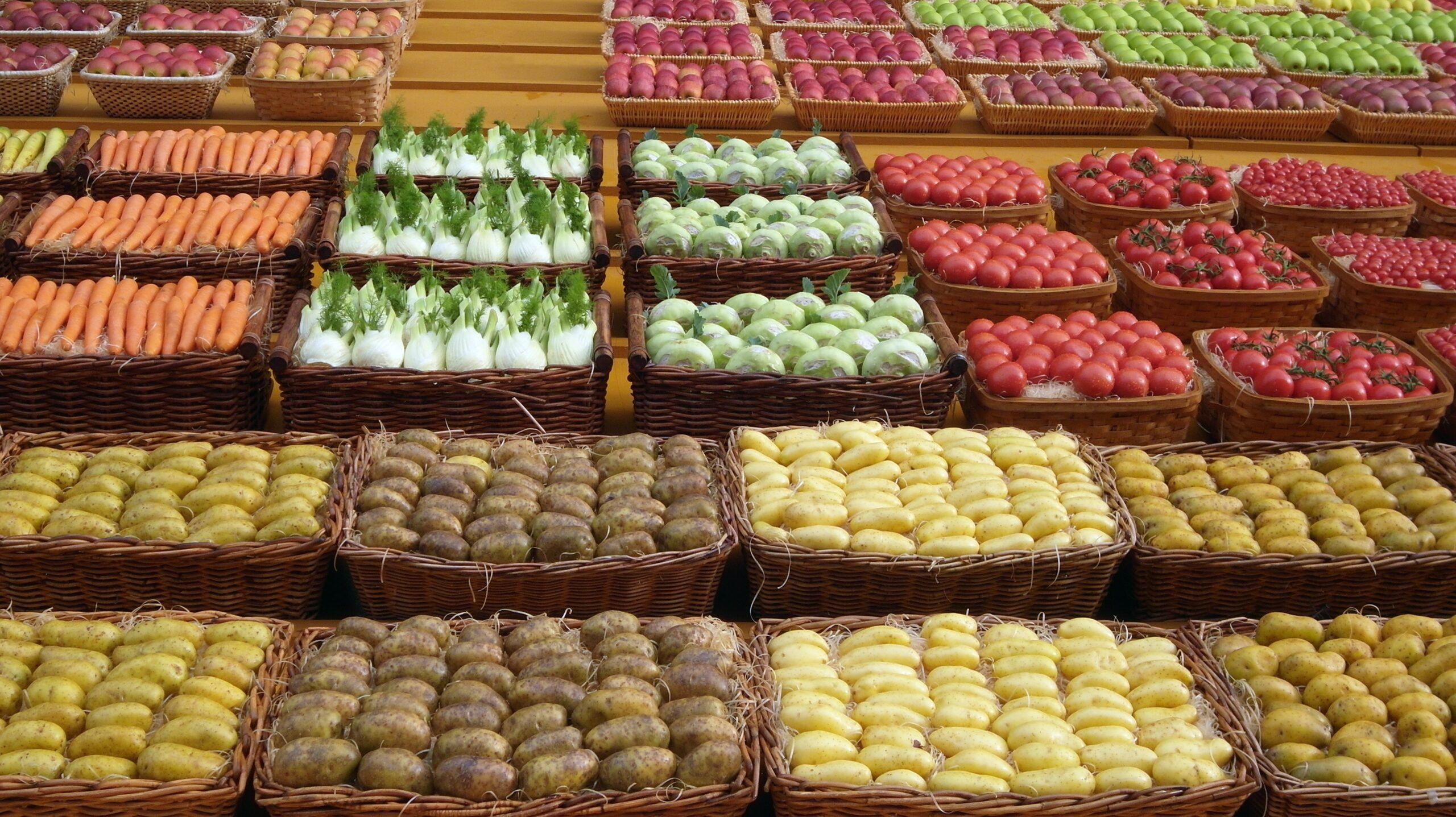
It’s no doubt natural capital is fundamental to the food system. When we talk about agricultural investing, it isn’t just about the monies moving around; it’s about the food we grow and eat every single day.
“It’s so fundamental to the human experience, but also the way in which we’re interacting with the natural world,” said Claire Kneller, General Manager, Australia, Leading Harvest. “[Natural capital] is working to find ways to respond to food production and some of the challenges associated with traditional farming, like biodiversity loss and deforestation, [and] how we can reverse some of those trends and make large-scale farming a net positive contributor to these challenges.”
During the inaugural Global AgInvesting Australia event, held this June 9-11, Kneller and fellow speaker John Capetta, Managing Director and Head of Asia, Fiera Capital, will sit down to discuss, “Getting Real About Natural Capital Investing,” where they plan to provide a practical discussion on implementing natural capital strategies into farm management practices and return expectations.
Natural Capital and Sustainability
As Kneller explained, interest in natural capital is also interest in sustainable farming. Two main drivers at the grower level are placing natural capital investment at the forefront: investors and customers.
In terms of investors, more and more are asking about sustainability practices. For an investor-owned farm or asset, they will want to see the data and actions toward sustainability, because many no longer see it as just a “tick in the box;” they “are saying they think this is important, they think managing the land in a way that builds long-term resilience and long-term productivity—and having something that certifies that—is important,” Kneller said.

This is largely influenced by customers and consumers, who are actively looking for sustainably-sourced food and beverage. There is an increased placement of value put on environmentally-ethical farming practices by the retailers and brands sourcing the food, driving growers to re-evaluate their practices to meet the demand.
“Retailers and brands have sustainability commitments. For example, you have McDonald’s saying they want zero deforestation beef. Retailers who want low carbon products. All of that translates up the supply chain to the grower,” Kneller said.
That combination of investors and customers seeking out a natural capital approach to growing, however, places a huge financial pressure on the grower. Couple that with massive price hikes due to conflict and war in the Middle East, and that can have growers asking themselves how exactly can they commit to a natural capital strategy?
A Case-by-Case Basis
To really commit to a natural capital strategy will come down to individual operations and how each grower works to address supply, demand, and financial pressure. Kneller, who is based in Australia, took a look at her own home country as an example: “We have so many different types of landscape in Australia, from the tropical north to the driest state on the driest continent in the south.”
So, she continued the example, if there were to be a cotton farmer in dry lands and a cotton farmer on an irrigated cotton field, both looking to become more efficient with their water use per bale of cotton, the actual natural capital practices they put into play might look vastly different, even though they grow the same commodity.
Therefore, when strategizing on sustainability practices, farmers and growers will need to assess what makes the most sense for their operations. Natural capital, in the context of farming, comes down to the farmer’s end goal. They will want to be thinking about the outcomes they want to deliver and how to incrementally work toward those goals without interrupting standard operations.
“They’ll need to be thinking about their farm business as a whole, including the farm management system that comes into play, the biodiversity commitments they will want to make, any commitments to water retention capacity or organic carbon in the soils they use,” Kneller said. “It’s really about thinking what outcomes they want and then allowing the context in which they are farming to drive the practices they wish to implement.”
For the Investors
As part of the discussion at GAI Australia, the panelists will provide meaningful dialogue surrounding how growers and investors can further shape natural capital’s future—in Australia and beyond.
Currently for growers, looking at the upfront costs of revitalizing operations can feel daunting, but investors have an opportunity here to make sustainability and natural capital practices a reality.
“A lot of the cost and resource requirements end up at the grower end,” Kneller said. And so, “we’re not really equitably sharing those kinds of costs and benefits along the supply chain” yet.
In terms of an agricultural portfolio, average returns are around 10%, where 3-4% of that is from the annual yields on the farm. That means somewhere between 6-7% of that yield is from the appreciation of the asset itself, according to Kneller. Therefore, “managing that asset in a way that prioritizes long-term productivity and long-term resilience of that asset is what is going to drive returns … for an investor [natural capital investment] really makes financial sense.”
And in the larger sense, natural capital investment will be a boon to the food we eat everyday.
Interested in hearing more about natural capital at the GAI Australia event? Kneller and a team of experts will be participating on a complementary panel, “Connecting Productivity and Stewardship,” which takes an even deeper dive into the natural capital conversation. With speakers from one of the Australian pension funds, an Australian asset manager and an expert from one of Australia’s research consortiums, the impact of natural capital will be explored.
The content put forth by Global AgInvesting News and its parent company Arc Network LLC is intended to be used and must be used for informational purposes only. All information or other material herein is not to be construed as legal, tax, investment, financial, or other advice. Global AgInvesting and Arc Network LLC are not a fiduciary in any manner, and the reader assumes the sole responsibility of evaluating the merits and risks associated with the use of any information or other content on this site.