


One of the single-biggest, multi-generational landholdings in the U.S. is changing hands. The family behind D.R. Horton, the Arlington, Texas-based homebuilding giant, has sold their sprawling Great Western Ranch in western New Mexico, according to Hall and Hall, which marketed the property. While the name of the buyer has not been disclosed, the property was listed at $115 million.
Spanning a massive 504,801 acres, nearly three-quarters the size of the state of Rhode Island, the property closed in under a year, reflecting robust investor appetite for agricultural assets as a hedge against inflation and market volatility. The transaction follows the passing of Donald R. Horton, the homebuilder’s visionary founder and namesake, just over a year ago.
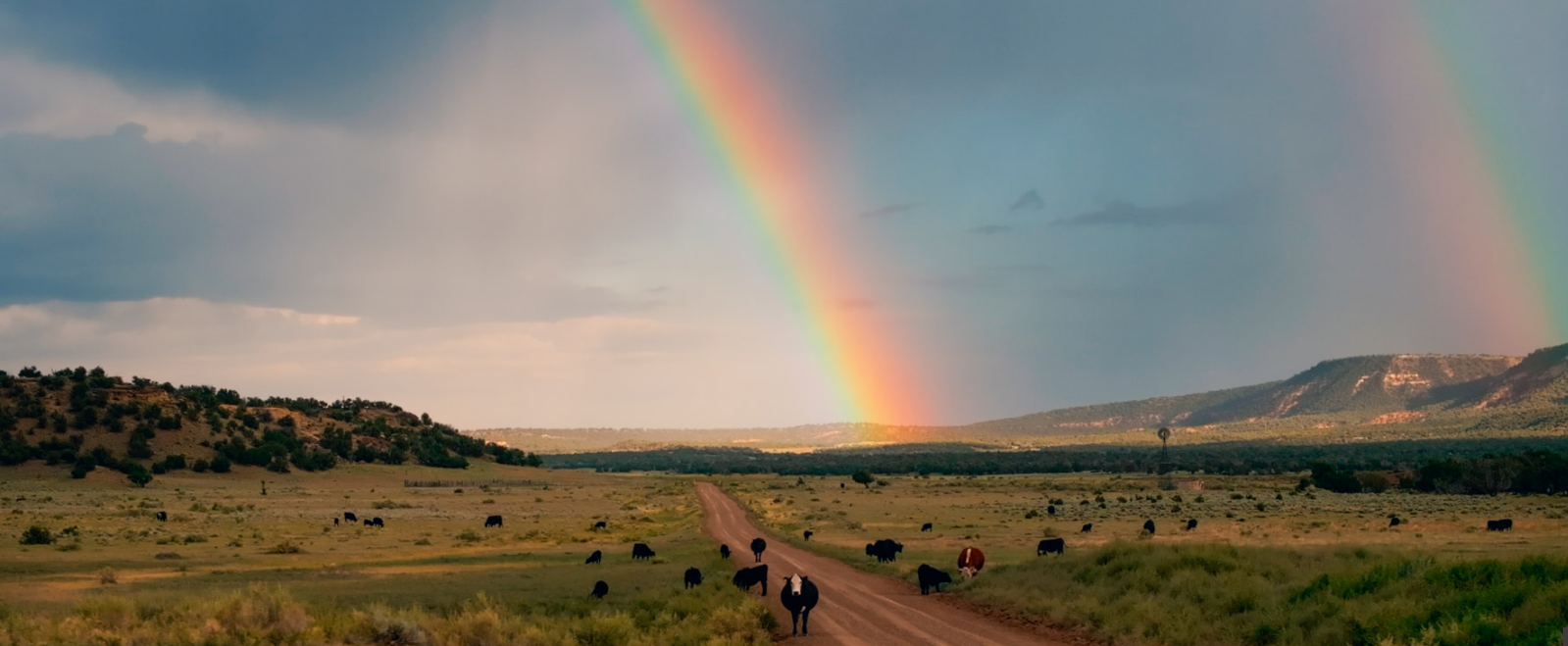
Located on New Mexico’s western edge, the ranch boasts robust infrastructure tailored for large-scale operations, including dozens of operational wells, hundreds of dirt tanks and stock ponds, 2,230 miles of fencing and over 130 pasture sections. It supports one of the nation’s largest livestock grazing enterprises while also serving as a habitat for big game such as bull elk, mule deer and antelope.
An existing lease with Black Mountain Outfitters enables guided hunting trips and generates diversified revenue streams for the owners. The land preserves ancient Anasazi petroglyphs, which are intricate rock carvings left by the ancestral Pueblo peoples dating back over 1,000 years, and remnants of early homesteader ruins from the 19th-century frontier era. Together, these elements boost the ranch’s cultural value and highlight its deep ties to America’s Native American roots and pioneer history.
Jeff Buerger, a partner at Hall and Hall, touted the ranch’s legacy, reportedly stated, “This ranch is more than just land; it’s a living testament to generations of thoughtful management. Its importance for wildlife, particularly bull elk, mule deer, and antelope, as well as its historical significance, cannot be overstated.”
Buerger added that the ranch represents “a rare opportunity to acquire an exceptionally well-diversified income-generating, multi-dimensional land asset class, where its value is directly tethered to its rarity and its inability to be replicated.”
For global ag investors, this deal signals bullish trends in U.S. farmland and ranchland. With commodity swings and inflation headwinds persisting, legacy assets like Great Western provide hedges through natural asset appreciation, wildlife tourism and sustainable grazing. As institutional players target diversification, this deal may be a harbinger of more high-profile sales in productive regions, combining operations with historical appeal.
The content put forth by Global AgInvesting News and its parent company HighQuest Partners is intended to be used and must be used for informational purposes only. All information or other material herein is not to be construed as legal, tax, investment, financial, or other advice. Global AgInvesting and HighQuest Partners are not a fiduciary in any manner, and the reader assumes the sole responsibility of evaluating the merits and risks associated with the use of any information or other content on this site.