
By Autumn Demberger, Global AgInvesting Media
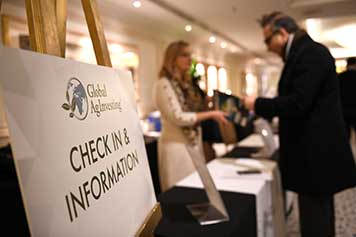
Attendees flooded the streets of New York this week to attend Global AgInvesting’s 18th Annual World Summit. With more than 40 sessions, countless networking opportunities and an agenda designed with prominent agribusiness trends and changes in mind, it was an event worth the hype.
To kick things off this week, Kenny Fahey, president and CEO of Leading Harvest took to the stage to welcome guests from around the world. Later, he led a keynote discussion on “Verified Confidence: The Key to Investing in Agriculture at Scale,” captivating audiences and delivering a few lessons along the way.
For those in attendance wanting a refresher, or for those who may not have had the chance to hear, Fahey gives an in-depth look at the key points of his discussion below.
Global AgInvesting: As the keynote for World Summit, what initially drew you to this topic? What makes this something that those in the industry should want to hear about right now?
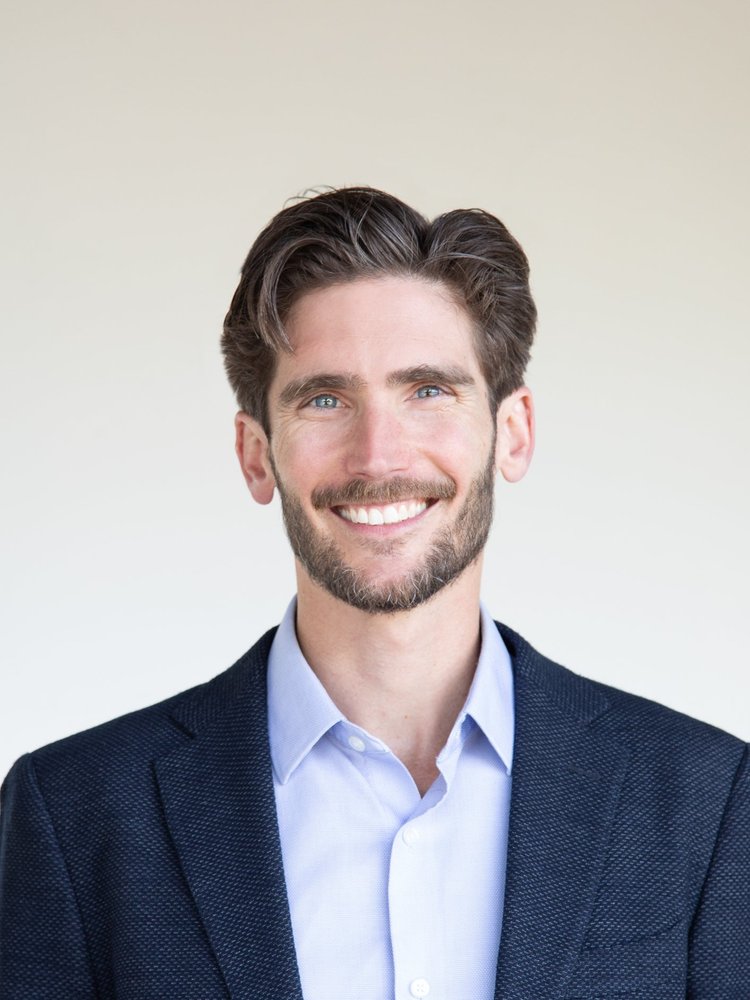
Kenny Fahey: Agriculture has always had a compelling investment case. It’s a real asset with income generation, capital appreciation, low correlation with traditional markets. But for a long time, the infrastructure needed to deploy capital at scale with confidence just wasn’t there.
The sector is at a real inflection point. Demands on farmland production are escalating — more LP scrutiny, regulatory requirements, supply chain accountability, even the physical limits of nature from climate risk and nature loss. Whether the sector can navigate these demands with clarity and confidence or not will be the difference between maturing this asset class into one that is fully investable or remaining a niche product.
That’s what drew me to this topic. I wanted to make the case that verified confidence is the necessary infrastructure that will define the next phase of agricultural investing.
GAI: In your words, what is “outcome-based verification,” and why is it essential for institutional portfolios?
KF: At its core, outcome-based verification is about holding land managers accountable to what they achieve, not how they do it.
The instinct is often to create confidence through control. Require specific practices, management regimes, data collection, etc. But agriculture is enormously diverse. What works in Iowa can be exactly wrong in Arizona. A cover crop that builds soil health in a wet year causes compaction in a dry one.
This instinct to control is backwards. Instead, we should standardize accountability to outcomes — soil health, water quality, biodiversity, worker welfare — and allow flexibility on the ground. This works when you have high quality, independent auditing of those outcomes to generate proof of performance.
For institutional portfolios, this is essential because it’s what creates confidence that, no matter the context, your capital is being well managed.
GAI: During your talk this week, you used some real-world examples to drive home your discussion. Can you share one of them for our online readers, and the lessons that should be learned from it?
KF: In the talk, I shared how Leading Harvest works with Nestlé to advance and validate their regenerative agriculture transition in U.S. supply chains.
The same infrastructure we built to meet the needs of investors and managers in farmland is now scaling across supply chains. Nestlé uses our certification platform to standardize regenerative procurement expectations with its suppliers, baseline current performance, and drive target improvements over time. All of that is independently verified through audits to give Nestlé confidence in making public claims about its regenerative transition.
The lesson to draw from this is that the agricultural sector broadly is looking for clarity in chaos. It’s looking for standardized solutions that can be deployed at scale to invest in and drive transformation in our food system. For investors specifically, it means farms that meet our standards are also better able to compete in the supply chain. They are better assets to hold.
GAI: If you could choose one thing that attendees, and online readers, should take away from your discussion, what would it be and why?
KF: The sustainability demands on agricultural investing are escalating and they’re unavoidable. The work of responding to those demands is baked in.
The question is whether the sector responds to those demands with clarity and confidence or flying blind.
Verified confidence from a shared industry standard is how investors and managers get order from what can otherwise feel like chaos. It gives managers clear guardrails on what’s expected of them. It gives investors defensible, audited proof of professional management. And it’s how agriculture becomes fully investable at scale.
This is the future of agricultural investing.
The content put forth by Global AgInvesting News and its parent company Arc Network LLC is intended to be used and must be used for informational purposes only. All information or other material herein is not to be construed as legal, tax, investment, financial, or other advice. Global AgInvesting and Arc Network LLC are not a fiduciary in any manner, and the reader assumes the sole responsibility of evaluating the merits and risks associated with the use of any information or other content on this site.