

Food and beverage giant PepsiCo has launched a direct farmer-incentive pilot in Brazil’s Cerrado tropical savanna to accelerate the adoption of regenerative agriculture practices among farmers. The program, dubbed Payment for Practice and Payment for Outcomes, was introduced alongside local partners Griffith Foods and Latin America’s non-GMO ingredients company Milhão, incentivizing growers for the regenerative agriculture practices they adopt and the outcomes they deliver.
Agriculture forms the backbone of PepsiCo’s global food and beverage empire, where the company sources around 50 essential crops and ingredients, such as potatoes, corn, oats and sugarcane, from dozens of countries for its products. Within this supply chain sits PepsiCo’s Positive Agriculture agenda, which champions regenerative farming practices to restore soil fertility, sequester carbon, increase biodiversity and improve farmer livelihoods.
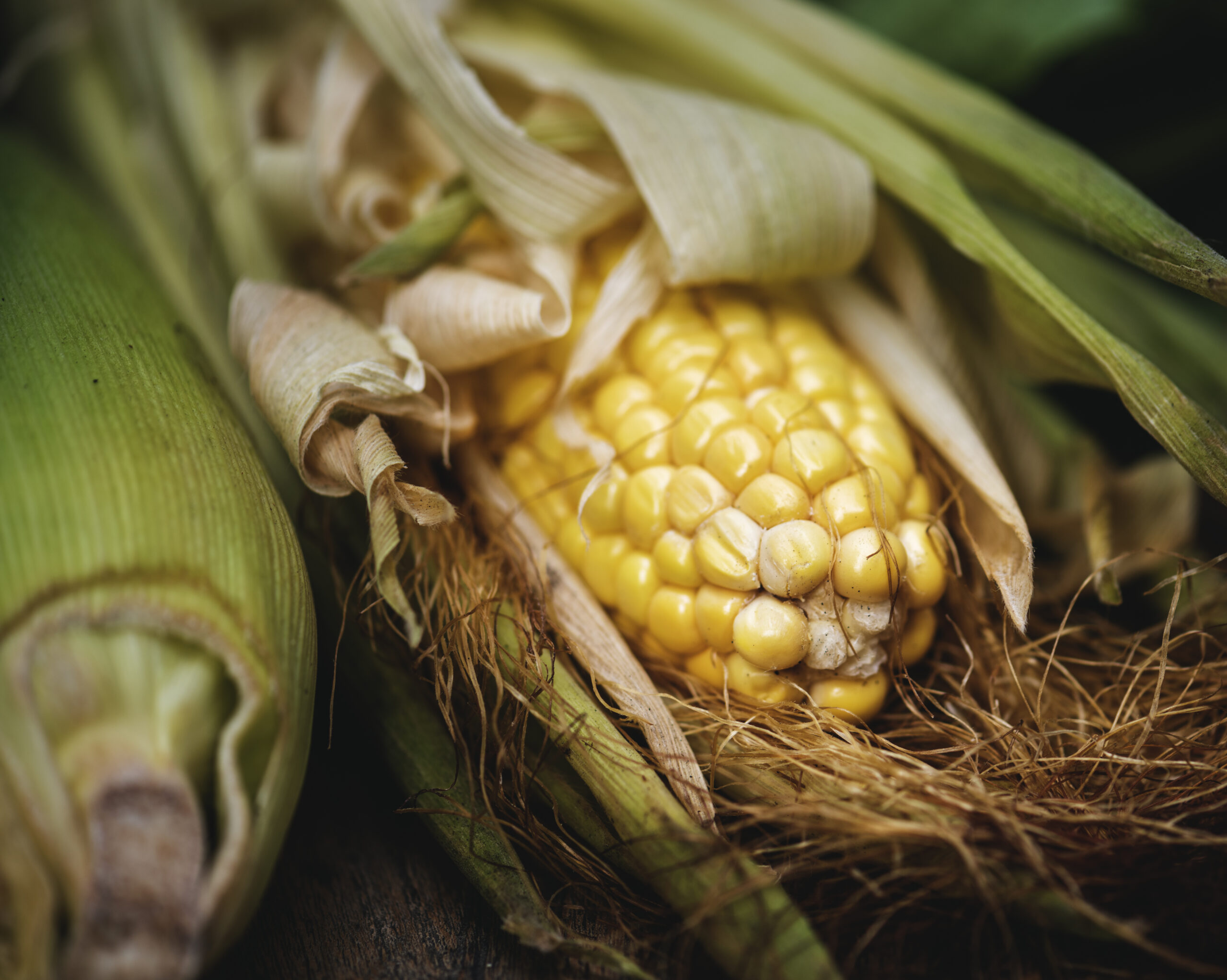
Located in Central Brazil and spanning 7,000 acres of corn to start, the program is built to scale to 30,000 acres, roughly PepsiCo’s full corn-sourcing footprint in the Cerrado. It is backed by about $1 million over three years, co-funded by PepsiCo and Griffith Foods, with additional support from Milhão. Farmers receive upfront support to adopt steps like biological inputs and reduced agrochemical use, plus performance rewards tied to measured improvements in the field. This Cerrado pilot forms a building block in PepsiCo’s sweeping regenerative ag push, propelling the company’s commitment to expand protective and restorative agricultural practices across 10 million acres by 2030.
The Cerrado savanna represents Brazil’s agricultural prowess, yielding a growing safrinha corn crop harvest and over 60 percent of the nation’s soybeans, both staples of food security that nourish supply chains around the world. Yet this critical frontier teeters on the brink, threatened by rampant deforestation, soil erosion and escalating climate pressures, positioning it as one of PepsiCo’s highest-impact sourcing zones.
PepsiCo’s pilot tests a hybrid model that pays farmers twice: first for the practices they adopt, then for the results they achieve. Growers receive upfront support to shift toward composting, biological inputs, and lower chemical fertilizer use, and they stand to earn performance-based bonuses for cutting agrochemical applications over the season. Early signs are promising, with demand in the region suggesting this model could serve as a potential blueprint for scaling regenerative agriculture across one of the world’s most important farming frontiers.
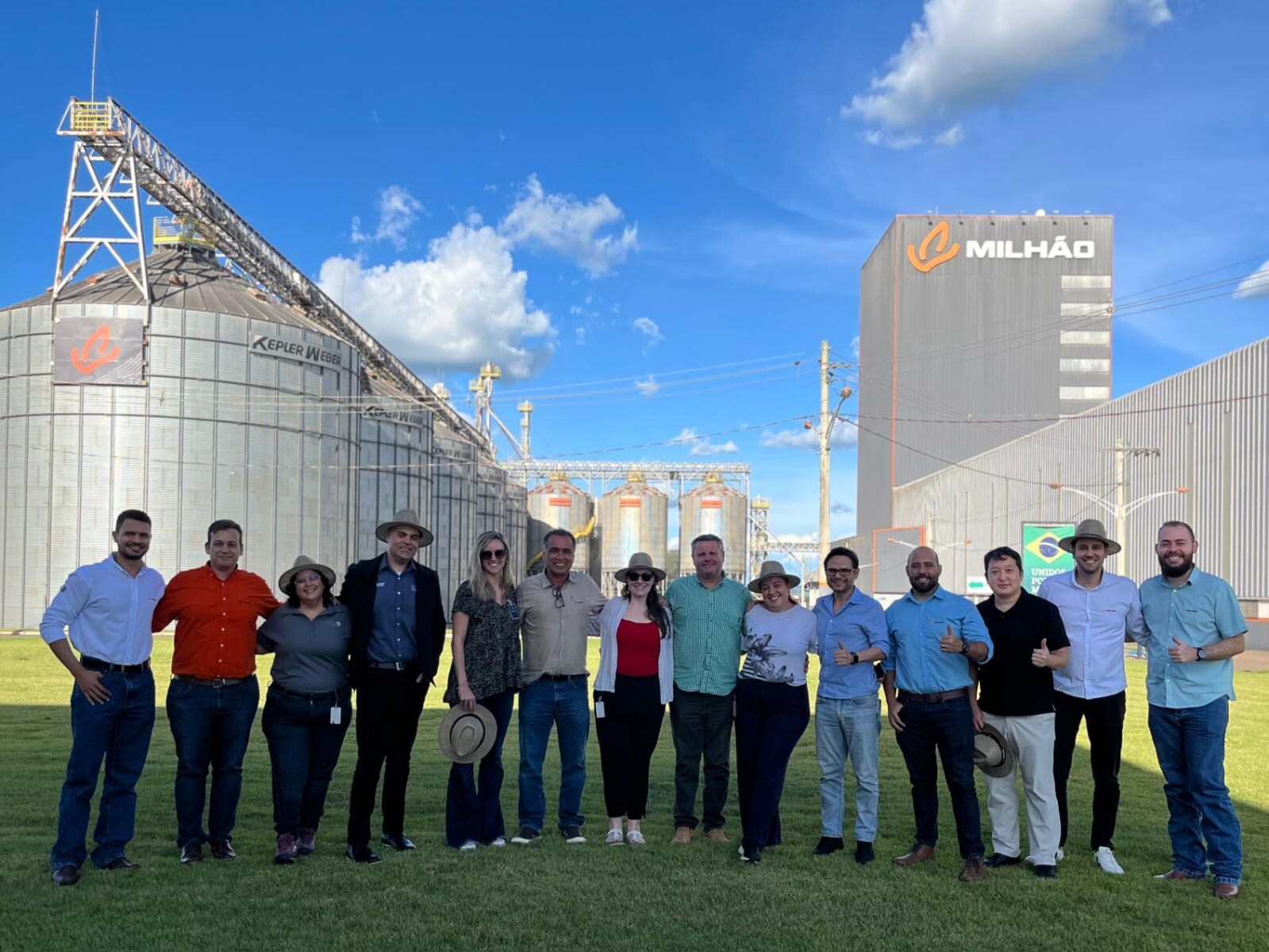
PepsiCo Brazil Sustainability Lead Thais Souza stated, “This program tackles one of the biggest barriers to the adoption of regenerative agriculture: the financial risk farmers face when transitioning to new practices By providing direct economic incentives, we’re helping facilitate outcomes such as improved soil health, reduced greenhouse gas emissions, and climate resilience.”
Griffith Foods Central and South America Regional Sustainability Director Nicholas Costa commented, “This collaboration shows how science, innovation, and shared purpose can turn ambition into a positive impact and help nourish both people and the planet. By sharing costs and aligning on sustainability ambitions, PepsiCo, Griffith Foods, and Milhão are demonstrating how competitors can work together pre-competitively with the aim of helping drive systemic change.”
PepsiCo Brazil Foods Senior Director and Market Supply Officer JP Cavalcanti said, “This is more than a pilot, it’s a blueprint for efforts to transform agriculture in one of the world’s most critical regions. We’re proud to lead this effort and invite others to join us in scaling regenerative solutions that can benefit farmers, ecosystems, and food systems.”
Building on the momentum in Brazil’s Cerrado savanna, PepsiCo’s pilot lands in a region already drawing serious institutional capital for nature-based production. As Global AgInvesting recently reported, Temasek-backed GenZero invested in BTG Pactual Timberland Investment Group’s Latin American reforestation strategy, with the Cerrado at the core of its restoration footprint. That rising tide of capital and corporate demand points to an alignment of on-farm economics with measurable outcomes, where the Cerrado can be both a breadbasket and a benchmark for scalable regenerative agriculture.
The content put forth by Global AgInvesting News and its parent company HighQuest Partners is intended to be used and must be used for informational purposes only. All information or other material herein is not to be construed as legal, tax, investment, financial, or other advice. Global AgInvesting and HighQuest Partners are not a fiduciary in any manner, and the reader assumes the sole responsibility of evaluating the merits and risks associated with the use of any information or other content on this site.